
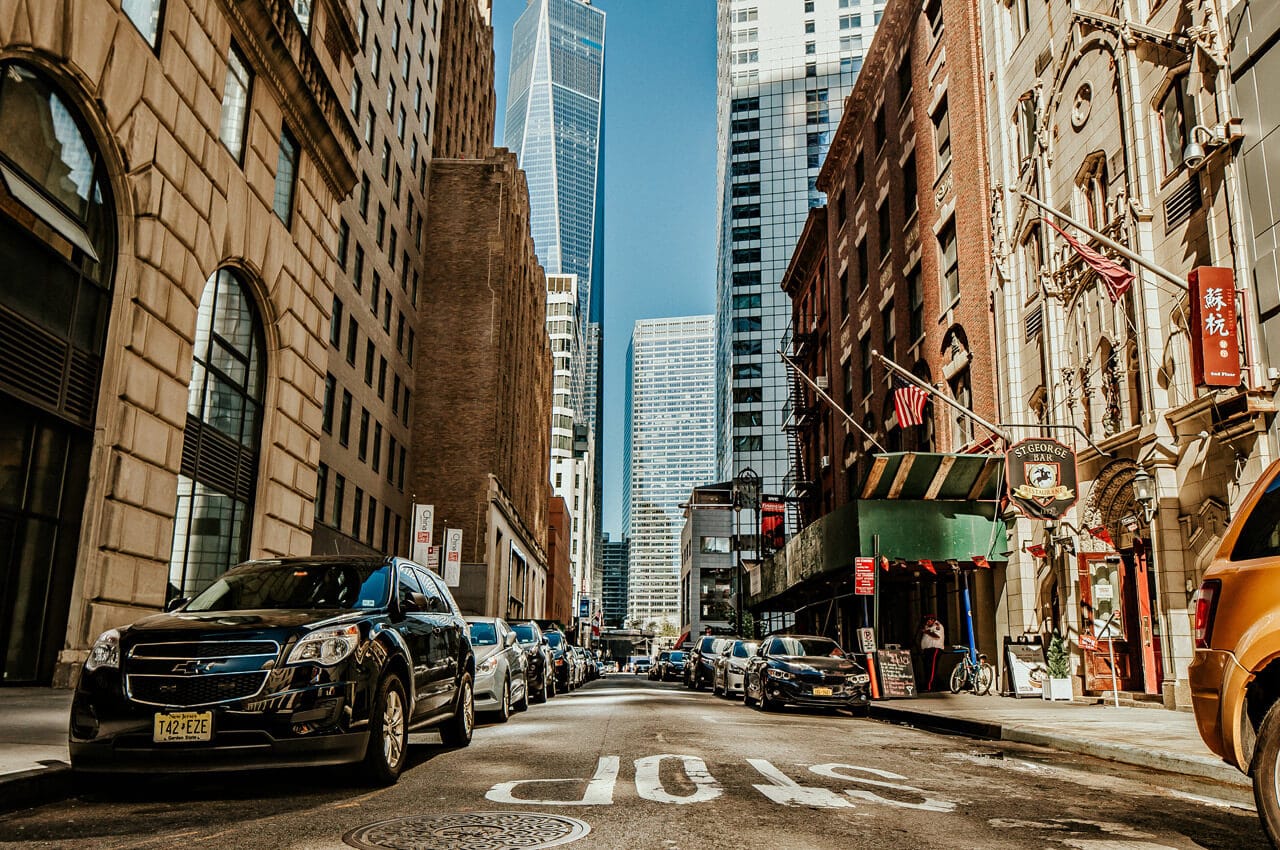
Designing and constructing roads with safety and protection in mind is a crucial aspect of urban planning. Roads are essential elements of any metropolitan area, and incorporating safety features can significantly enhance the well-being of both pedestrians and motorists. Here are several considerations for building roads with protection in mind:
Pedestrian Infrastructure:
Sidewalks:
Ensure well-maintained and spacious sidewalks separated from the road to provide a safe walking environment.
Crosswalks:
Implement marked crosswalks at intersections to guide pedestrians safely across the road.
Pedestrian Overpasses/Underpasses: Consider constructing overpasses or underpasses in areas with high pedestrian traffic to minimize the risk of accidents.
Cyclist-Friendly Design:
Bike Lanes: Incorporate dedicated bike lanes separated from vehicular traffic to promote cycling safety.
Bike Racks: Install bike racks at strategic locations to encourage cycling and provide secure places for parking.
Traffic Calming Measures:
Speed Bumps: Use speed bumps in residential areas and near schools to reduce vehicle speeds.
Roundabouts: Implement roundabouts instead of traditional intersections to slow down traffic and improve safety.
Accessible Infrastructure:
ADA Compliance:
Ensure that road infrastructure is compliant with the Americans with Disabilities Act (ADA) to accommodate individuals with disabilities.
Accessible Crossings: Install ramps and accessible crossings to facilitate the movement of people with mobility challenges.
Road Lighting:
Streetlights:
Adequate street lighting enhances visibility, reducing the risk of accidents and improving overall safety.
Pedestrian Crosswalk Lighting: Install additional lighting at crosswalks to increase visibility for both pedestrians and drivers.
Green Spaces and Landscaping:
Roadside Greenery:
Incorporate green spaces and landscaping along roads, providing aesthetic value while also promoting a sense of safety.
Tree Planting:
Plant trees strategically to provide shade and improve air quality.
Advanced Traffic Management Systems:
Traffic Signals:
Implement modern traffic signal systems to optimize traffic flow and enhance safety.
Smart Crosswalks:
Use technologies such as smart crosswalks that provide signals or warnings to both pedestrians and drivers.
Emergency Services Access:
Emergency Lanes:
Designate lanes or routes for emergency vehicles to ensure quick and unobstructed access during emergencies.
Public Awareness and Education:
Signage:
Install clear and visible signage to communicate speed limits, pedestrian crossings, and other important information.
Educational Campaigns:
Conduct public awareness campaigns to educate residents about road safety and proper usage of infrastructure.
By incorporating these elements into road design, metropolitan areas can create safer and more sustainable environments for their residents. Collaborative efforts between urban planners, engineers, and the community are essential to ensuring that road infrastructure prioritizes protection and safety.
أخبار ذات صلة
 وزير التخطيط: 108 مليارات جنيه استثمارات عامة بقطاع الصحة في خطة 2026/2027 بزيادة 27%
 وزير المالية: تنمية الموارد المحلية بالمحافظات أولوية بالموازنة الجديدة.. وتوجيه جزء منها لمشروعات تنموية داخل كل محافظة
 عمرو أديب يحذر من صعوبات اقتصادية حتى نهاية العام: «اربطوا الأحزمة.. مطبات اقتصادية قادمة»
 «ليه نتحمل أخطاء ملناش ذنب فيها؟».. علياء المهدي تنتقد تكلفة المشروعات وأعباء الاقتراض على المواطنين